Session Context

The screech of a metal brake pad on a cold morning often signals a lack of preparation. Every teardown orb trading glossary unescoghana has logged shows the same thing regarding the way a trader views an opening range breakout. Contextualizing the intraday price action relative to the previous day provides the necessary weight for a signal. Without this, an orb is merely a price level without direction.
The Weight of the Previous Close
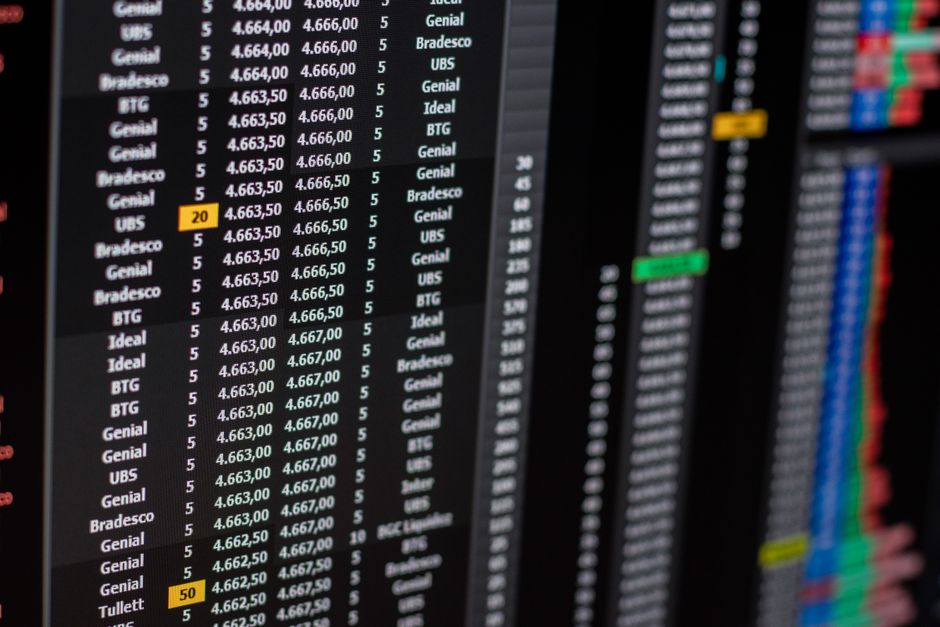
A signal generated at the market open does not exist in a vacuum. The distance between the current price and the previous day's close dictates the momentum of the initial move. If the price gaps significantly above the previous close, the opening range breakout carries different mechanical implications than a move following a flat close. A large gap suggests a shift in sentiment established during the overnight session. This gap acts as a magnet or a springboard. The decision to weigh the signal heavily depends on whether the price respects the gap or attempts to fill it immediately after the cash open.
Regime Identification and Volatility

Market regimes dictate the success rate of a fifteen minute range setup. In a high volatility regime, the boundaries of the first fifteen minutes are often breached with violent speed. In a low volatility regime, these levels act as rigid resistance or support. Data shows that a breakout in a trending regime requires less confirmation than a breakout in a range bound regime. The mechanical approach involves measuring the ATR relative to the opening bell activity. If the opening range expands beyond the average volatility of the previous three sessions, the signal strength increases. A small sample overstates the edge if the regime is ignored.
Timeframe Alignment
The choice between a five minute or a thirty minute range changes the frequency of the signals. A shorter timeframe provides more entries but introduces noise from the premarket orders. A longer timeframe provides more stability but often enters the trade late in the move. Alignment between the thirty minute range and the broader intraday trend is the standard for high conviction. When the trend from the overnight session aligns with the direction of the breakout, the signal carries more weight. Disconnection between these layers suggests a mean reversion setup rather than a trend continuation.
Execution Mechanics
The placement of stops depends on the session high or low established during the first hour. A breakout that occurs during the first hour of regular trading hours carries more weight than a breakout occurring later in the session. The volume profile at the time of the break confirms the intent. If the volume is thin, the breakout is likely a trap. If the volume spikes at the opening bell, the move has institutional backing. Relying on the sixty minute range provides a filter for these false starts. The work requires constant recalibration based on the current volatility environment.