Time-of-Day Volatility Profile
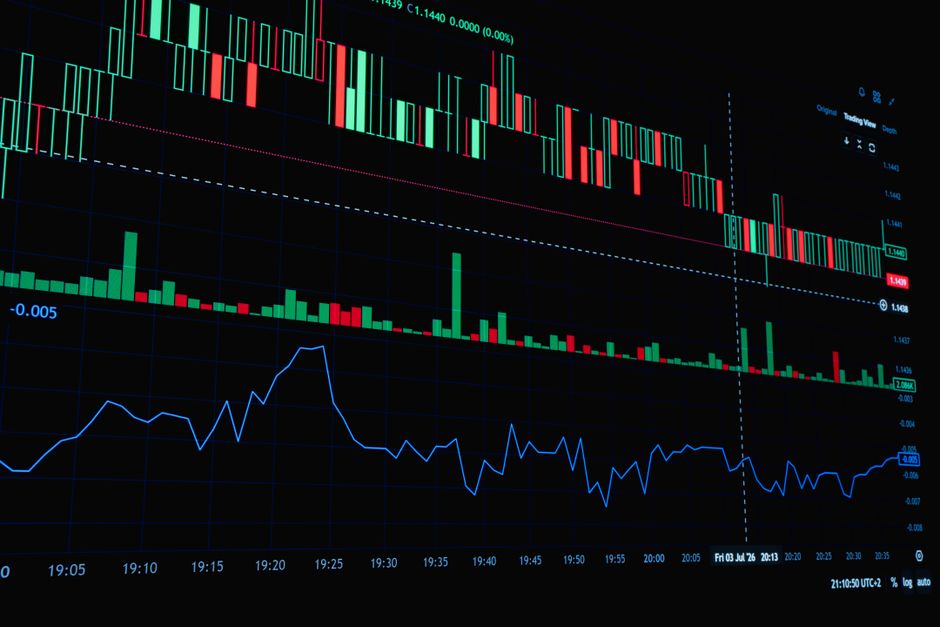
The ringing of the bell signals the start of the intraday session, a phenomenon recorded within the entries at orb trading glossary unescoghana regarding the time-of-day volatility profile. This specific pattern of volume and price movement occurs as liquidity surges immediately following the market open. A trader observes the opening range to establish the initial boundaries of price movement before the trend settles. The data shows that the first hour typically contains the highest concentration of orders, creating sharp spikes in volatility that dissipate as the session progresses.
The Morning Volatility Spike

Volume arrives in heavy waves during the first fifteen minutes of the cash open. This period is defined by high participation from institutional participants and retail orders reacting to overnight news. The opening range breakout often occurs during this window, as price clears the high or low established in the initial minutes. Mechanical execution relies on observing whether the price holds above or below the fifteen minute range. A failure to hold these levels suggests a reversal rather than a continuation of the morning trend.
Midday Liquidity Gaps

Activity drops significantly after the initial surge. Between the late morning and the early afternoon, the volume profile flattens. This lull often leads to sideways price action or mean reversion. During this timeframe, the price frequently drifts toward the previous day's settlement or the volume weighted average price. The lack of momentum makes high frequency movements rare. Most breakout attempts during these hours lack the follow through seen in the morning session.
Afternoon Momentum Shifts
A second wave of activity begins as the midday lull ends. The market reacts to economic data releases or shifts in institutional positioning. As the session approaches the final hour, volume builds again. This build up often leads to the pursuit of a new session high. The volatility during this period differs from the morning spike because it is driven by position squaring and the closing of large orders. The price movement is often more directional than the erratic swings seen at the opening bell.
The Power Hour Dynamics
The period leading up to the closing bell represents the final significant volatility event. Known as power hour, this window sees a concentration of volume as participants finalize their daily positions. The price often tests the boundaries set during the morning session. If a trend has been established, the closing volume tends to accelerate that direction. Monitoring the sixty minute range during this time provides a metric for the strength of the final push. Volatility here is often more sustained than the rapid bursts seen at the start of regular trading hours.