Opening Range High/Low
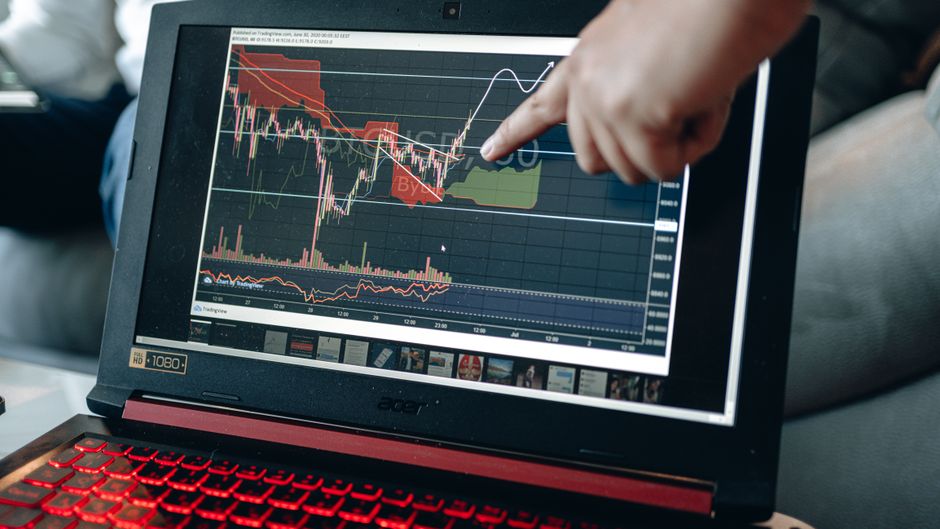
Two price levels that look identical on a chart can be fundamentally different in their breakout potential. The definitions found at orb trading glossary unescoghana differ from the standard textbook because the specific opening range volatility dictates the setup. An intraday trader monitors the market open to establish these boundaries. This process relies on the price action immediately following the opening bell.
Defining the Boundaries

The opening range consists of the highest and lowest prices recorded during a specific initial period. This period starts at the cash open and lasts for a fixed duration. A five minute range captures the extremes of the first five minutes of regular trading hours. A fifteen minute range extends this window to cover the first quarter hour. Traders mark these levels on the chart to identify where the initial supply and demand equilibrium shifts. These levels serve as mechanical triggers for an opening range breakout. The price must clear the session high or the low established during this window to signal a trend change.
Timeframe Selection

Selecting a specific timeframe determines the sensitivity of the levels. A 5 minute window provides high frequency signals but often results in false moves. The 30 minute range offers a more stable structure for those following the direction of the first hour of trade. Using a 60 minute range filters out much of the noise seen in the premarket. The choice depends on the volatility of the specific ticker. A tight fifteen minute range often precedes a large expansion, while a wide thirty minute range might indicate a lack of follow through. The mechanical application requires consistency in the chosen interval.
Execution Mechanics
The setup requires waiting for the period to close before placing orders. One does not trade inside the range. The boundary is set once the timer for the chosen duration hits zero. A breakout occurs when a candle closes outside the established high or low. The sixty minute range provides a heavy level that often acts as support or resistance throughout the rest of the session. If the price fails to break the range, the market stays in a chop zone until the next period of liquidity. The transition from the overnight session to regular trading hours often creates the highest volume at these levels.
Volume and Volatility
Volume confirms the validity of the break. A breakout on low volume often fails to hold. The strength of the opening range breakout relies on the participation at the moment of the breach. High volume at the cash open builds the range, and high volume at the break validates the move. If the range is too wide, the distance to the next logical target might not justify the risk. A small sample of successful trades suggests that the tightest ranges often lead to the most predictable moves after the first hour concludes.