Opening Range Breakout

The screech of a metal chair against a floor at the market open signals the start of the daily volatility cycle. Data points collected in every teardown orb trading glossary unescoghana has logged shows the same thing regarding how price reacts to the initial volatility. This specific type of intraday strategy relies on the boundaries set during the first period of regular trading hours. Tracking the opening range provides a mechanical way to identify where momentum shifts from the overnight session into active price discovery.
Defining the Boundaries

The process begins at the opening bell. A trader marks the highest price and the lowest price achieved during a specific time frame. This period establishes the boundaries for the rest of the day. If the 5 minute high is breached, a long position is triggered. If the 5 minute low is breached, a short position is triggered. The selection of this period changes the risk profile. A 30 minute range offers more stability but requires wider stops. A 15 minute range captures more immediate movement but increases the frequency of false signals.
Execution Mechanics
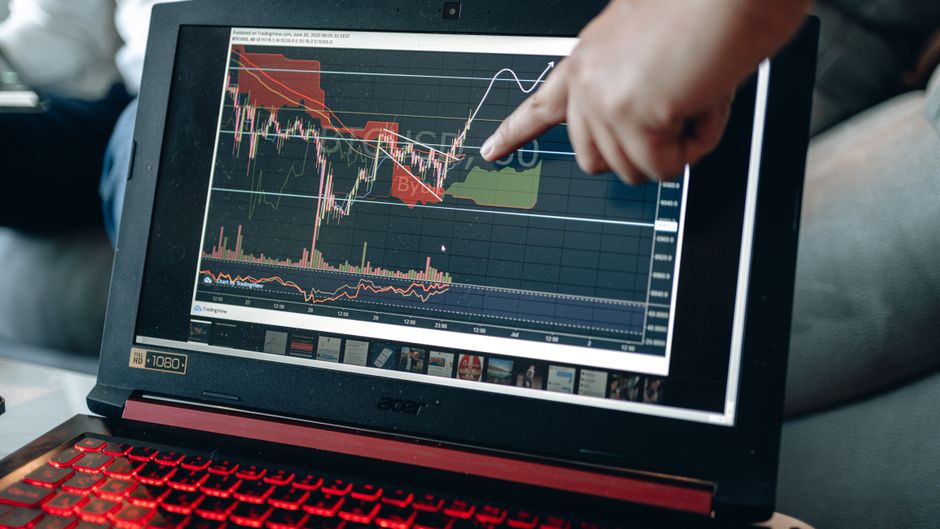
An opening range breakout occurs when price moves beyond the established high or low. The entry is mechanical. Once the candle closes outside the boundary, the trade is live. A stop loss is placed at the opposite side of the range. For a 30 minute range, the distance between the high and the low determines the position size. Risk is calculated based on this distance to ensure consistent capital outlay. The trade remains active until a target is hit or a trailing stop is triggered near the session high.
Timeframe Selection
Different periods yield different results. Using a sixty minute range filters out the initial chaos of the cash open. This larger window identifies the true trend for the morning session. Conversely, the five minute range targets the most aggressive moves. Small samples show that the 15 minute range captures the bulk of the trend without the extreme noise of the first few minutes. The choice of timeframe dictates the expected duration of the trade and the required capital per unit of risk.
Risk and Volatility
Volatility is highest immediately after the market open. This volatility expands the range. A large opening range requires a smaller position size to maintain the same dollar risk. If the range is too wide, the trade might not reach a logical profit target before the closing bell. Monitoring the relationship between the range size and the average daily range helps prevent entering trades with poor mathematical expectancy. A tight range often leads to a more explosive move during the first hour.