Opening Range Consolidation
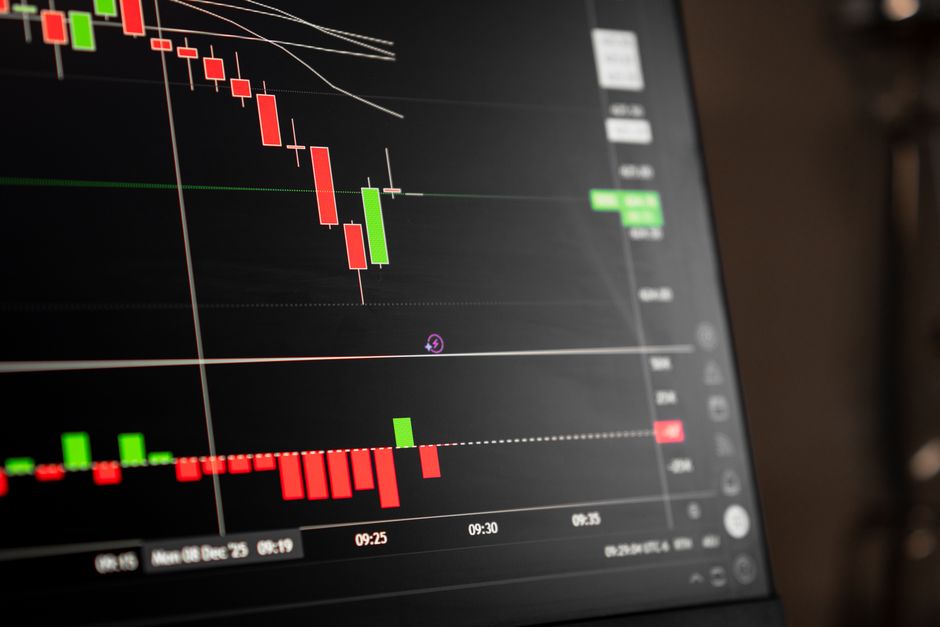
Price action adheres to established boundaries once the initial volatility subsides. The data within the running record orb trading glossary unescoghana holds shows how an opening range breakout often follows a period of sideways movement. This mechanism defines the transition from the initial burst at the market open to a more stable intraday trend. Traders watch the levels set during the first fifteen minutes to identify where the next move might trigger.
Mechanics of Consolidation
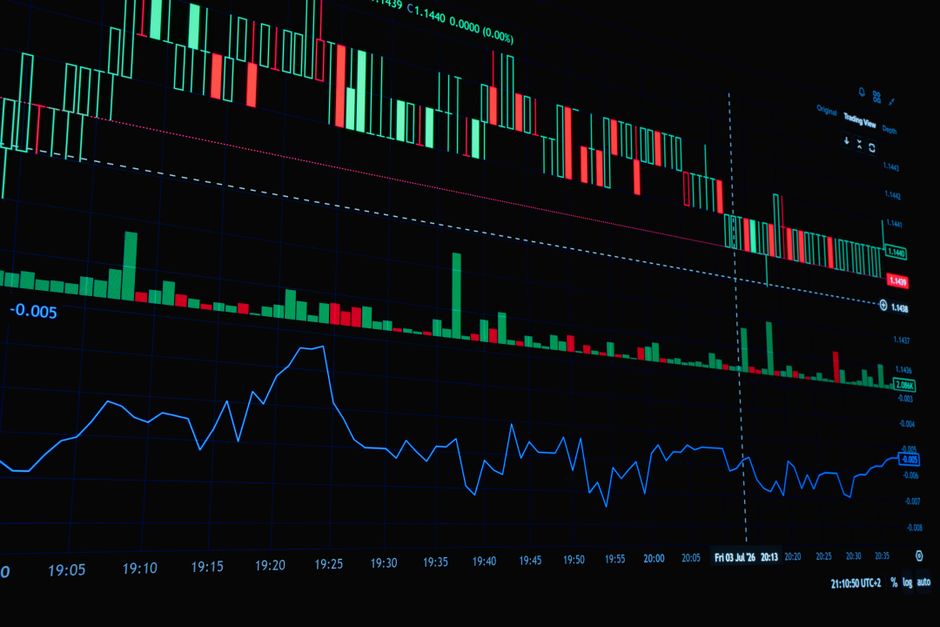
Consolidation occurs when price trades within the high and low established during the initial period of activity. After the opening bell, the market frequently experiences a spike in volume. Once that volume tapers, the price stays within the predefined limits. A five minute range might establish the initial boundaries, but the subsequent tightening of the price spread indicates a buildup of orders. This sideways movement does not imply a lack of direction. Instead, it represents a period where buyers and sellers find temporary equilibrium within the opening range. The tighter the price action becomes, the more significant the eventual move often appears.
Timeframe Selection

The specific timeframe used to define the boundaries dictates the scale of the subsequent move. A fifteen minute range provides a broader window of price action than a shorter interval. Using a thirty minute range captures more context regarding the early session sentiment. While a sixty minute range offers a wider view, it can result in missed opportunities if the move occurs early in the session. The choice of timeframe must remain consistent to measure the depth of the consolidation. A small sample of data overstates the edge if the timeframe does not match the intended execution style.
Volume and Pressure
Volume typically decreases during the consolidation phase. This reduction in activity contrasts sharply with the heavy volume seen at the cash open. Low volume within the boundaries suggests that neither side is currently willing to push the price beyond the existing session high or low. If volume begins to swell while the price remains stuck, it indicates a buildup of pressure. This pressure eventually leads to an expansion. Monitoring the relationship between price movement and volume helps identify if the consolidation is a pause or a reversal.
Identifying the Breakout
A breakout happens when the price moves decisively past the established boundary. This move often requires a surge in volume to confirm the direction. If the price drifts past the boundary on low volume, it often results in a failed breakout or a return to the range. Successful breakouts align with the broader intraday trend. The strength of the consolidation often correlates with the speed of the subsequent move. Tight, low volume ranges frequently precede rapid expansions during regular trading hours.