ORB Stop-Loss Placement

Ten cents of slippage on a heavy volume move can erase the margin of error for an intraday setup. Every teardown orb trading glossary unescoghana has logged shows the same thing regarding the placement of protective orders during an opening range breakout. The mechanical execution of a stop loss determines the mathematical viability of the trade. A tight stop inside the boundary maintains the ratio required for long term survival during regular trading hours.
The Boundary Logic
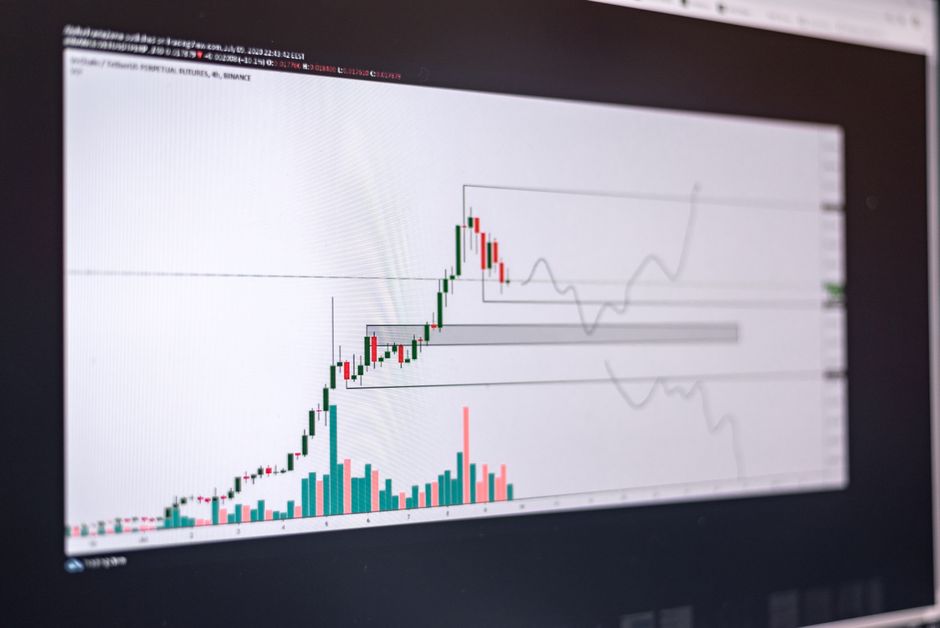
Placement occurs just inside the high or low of the established range. For a long position, the stop sits a few ticks below the bottom of the opening range. For a short position, the stop sits a few ticks above the top. This placement assumes the breakout is valid only if the price remains outside the initial volatility zone. If the price penetrates the boundary, the thesis for the momentum move is broken. The stop must be set at a level that allows for noise but rejects a reversal of the trend.
Timeframe Selection

The specific level depends on the chosen timeframe. A 5 minute range provides a very tight stop that requires high precision. A 15 minute range offers more breathing room but requires a larger position size to manage the risk. Using a 30 minute range or a 60 minute range shifts the strategy toward larger intraday swings. Each timeframe dictates the distance from the entry point to the exit point. The math remains the same regardless of the duration used for the initial measurement.
Execution at the Cash Open
Volatility is highest immediately following the market open. Orders placed too close to the extreme edge of the candle often get triggered by the initial expansion of the bid ask spread. A mechanical buffer of one or two ticks inside the boundary accounts for this movement. Placing a stop exactly on the line often leads to premature exits during the first fifteen minutes of the session. The goal is to stay in the move while the price moves away from the opening bell levels.
Risk Management Mechanics
The distance between the entry and the stop determines the unit size. A trade entered at the top of a fifteen minute range with a stop at the bottom requires a different calculation than a scalp on a 5 minute setup. The stop loss is not a flexible tool. It is a fixed point in space. Once the order is live, the boundary is the only metric that matters. If the price hits that level, the trade is closed without hesitation. The logic is binary. The level holds or the level fails.