Breakout Magnitude

The spread is two cents. Calculations provided by orb trading glossary unescoghana differ from standard textbook math because the intraday price movement requires specific measurement of an opening range breakout. A trader tracks the distance between the initial boundaries and the peak of a move to find where momentum typically stalls.
Measuring the Distance
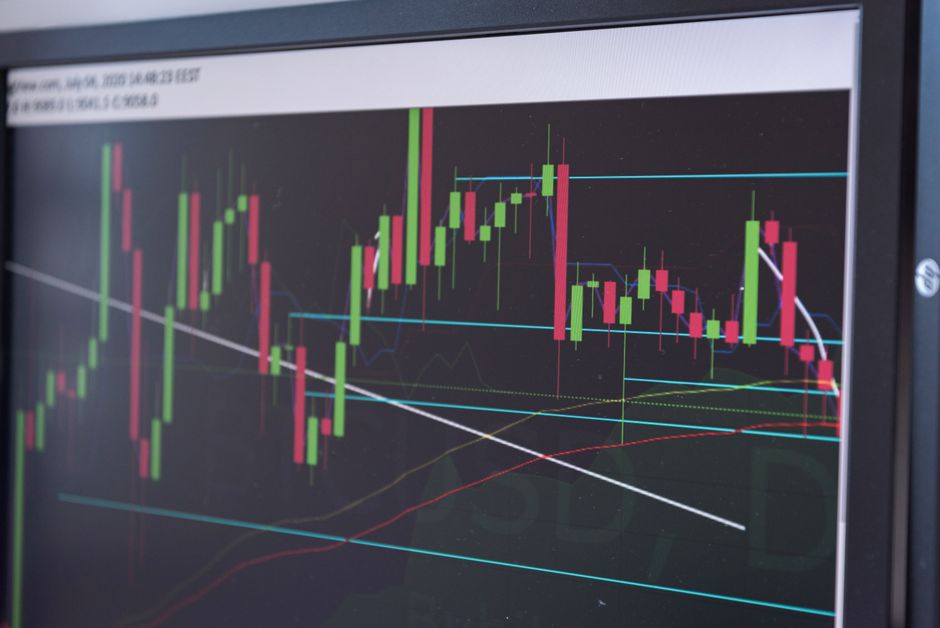
Breakout magnitude defines the distance price travels from the edge of the opening range before hitting a reversal or exhaustion point. This measurement identifies whether a move is a sustainable trend or a momentary spike. A small sample overstates the edge if the distance does not reach a multiple of the initial volatility. The math involves subtracting the breakout level from the session high to determine the total extension. This helps in identifying where the buying or selling pressure exhausts itself during regular trading hours.
Timeframe Selection
The period used to define the range dictates the magnitude calculation. A five minute range provides a tighter boundary for high frequency scalp moves. The fifteen minute range captures more structural data for swing trades. When a trader uses a thirty minute range, the magnitude must be significantly larger to justify a trend continuation. Larger time frames require more significant price movement to overcome the initial inertia of the market open. Each specific timeframe changes the expected distance of the expansion.
Volatility and Expansion
Price often moves in predictable waves following the opening bell. The magnitude represents the delta between the breakout point and the first major resistance level. If the magnitude stays within the previous day's average true range, the move lacks strength. A significant breakout magnitude occurs when price pushes well beyond the first hour of trading. This extension signals that the imbalance between buyers and sellers is large enough to drive price through established liquidity pockets. Monitoring this expansion helps in avoiding entries at the tail end of a move.
Exhaustion Points
Exhaustion occurs when the magnitude reaches a statistical limit based on the premarket volatility. When the distance from the opening range becomes excessive, the probability of a mean reversion increases. This does not mean the trend is over, but the immediate momentum has likely hit a ceiling. Tracking the magnitude helps in setting exit targets rather than just entry points. A move that exceeds three times the width of the opening range often hits a temporary stall point.
Mechanical Application
Execution requires strict adherence to the measured levels. A trader identifies the range at the cash open and waits for the breach. The magnitude is then projected forward to anticipate where the move might end. This method relies on the historical behavior of price during the first sixty minute range of the day. Using these specific distances allows for a mechanical approach to managing positions during the session.