Failed Breakout Re-entry
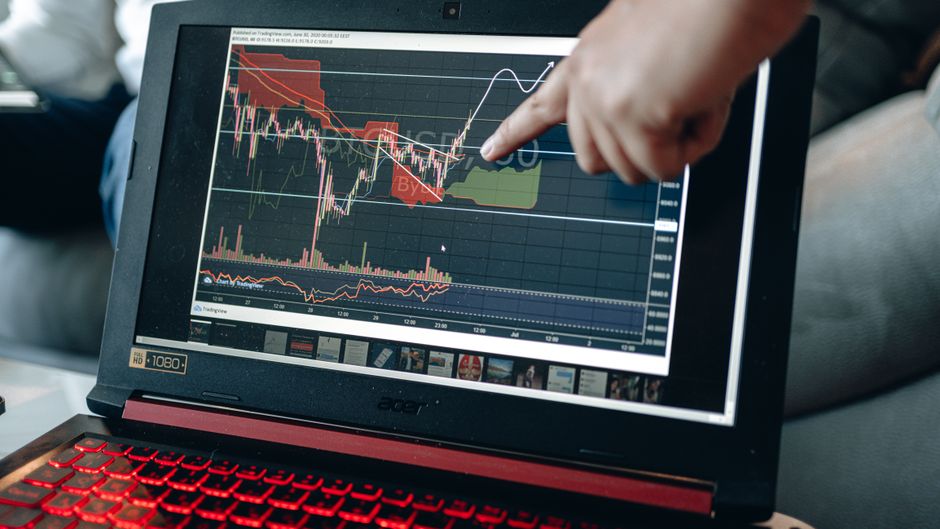
Once the candle closes back inside the initial boundary, the failed opening range breakout is confirmed. The definitions found at orb trading glossary unescoghana differ from the standard textbook in how they weight the speed of the return. This specific intraday move requires immediate attention because the failed momentum often triggers a heavy reversal toward the opposite side of the range.
The Mechanics of the Failure

A failed breakout occurs when price moves beyond the session high or session low but lacks the volume to sustain the trend. Instead of finding support or resistance at the new level, price retreats through the boundary. The first step is observing the timeframe used to define the range. A 15 minute range provides a larger buffer than a 5 minute setup. When the price pierces the level and then snaps back, the failed breakout signal is active. This is not a random fluctuation. It is a mechanical shift in supply and demand that often leads to a rapid move toward the other side of the established boundary.
Identifying the Re-entry Signal

The entry happens at the moment of the breach back into the range. If the initial move was to the upside, the re-entry is a short position. The trigger is a candle close back inside the opening range. Watching the 5 minute chart provides the necessary granularity to time this entry. High volume on the return into the range increases the probability of a clean move. A small sample of data over the first hour of the market open shows that these reversals are often more violent than the initial breakout attempt. The direction is determined by the side of the range that was violated.
Setting Risk and Targets
Stop losses are placed just beyond the high or low of the failed breakout candle. This keeps the risk tight and mathematically sound. The first profit target is the mid-point of the range. The final target is the opposite boundary of the range. Because the move happens during regular trading hours, liquidity is high. This allows for efficient execution at the desired price. A 30 minute range offers more room for the trade to breathe, while a shorter timeframe requires tighter management of the position during the volatility of the cash open.
Volatility and Execution
Market conditions dictate the success of the re-entry. During the first fifteen minutes, volatility is at its peak. A failed breakout during this period often results in a fast sweep of the entire range. If the price stalls near the midpoint, the trade may require more time to develop. Using the 60 minute range helps filter out noise that occurs during the early minutes of the session. The mechanical goal is to capture the momentum shift as the market corrects its initial imbalance.