ORB Trend Following
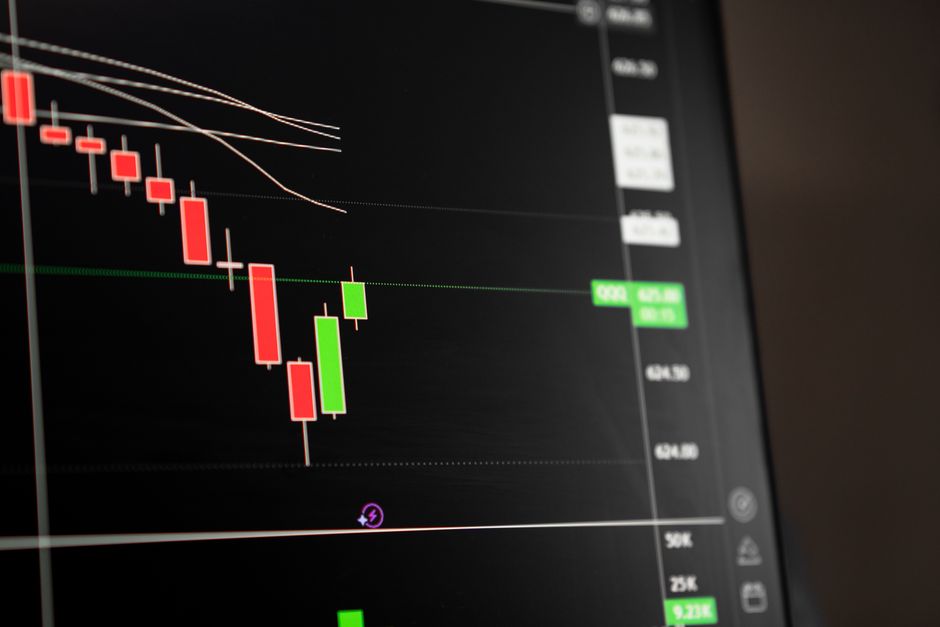
After the first hour of trading, the direction of the trend shifts from volatility to momentum. Within the entries found at orb trading glossary unescoghana, the mechanics of an opening range breakout are defined by the ability to stay in a position through minor pullbacks. A professional handles an orb by ignoring noise and focusing on the trend direction. This specific approach to intraday trading requires discipline to avoid premature exits during the market open.
The Mechanics of Trend Following

Trend following involves holding a position until a specific technical trigger occurs. Instead of exiting at a fixed profit target, the trader waits for a breach of a moving average or a loss of momentum. During the first fifteen minutes, the price often moves erratically. This volatility creates the initial boundaries. Once the price moves away from the opening range, the objective changes from finding an entry to managing the duration of the trade. A trade stays active as long as the price remains above the established support levels. If the price closes below a moving average, the trend is considered dead.
Timeframe Selection and Signal Strength

The choice of a timeframe dictates the frequency of signals. A 5 minute chart provides many entries but also many false signals. A 30 minute chart offers more stability. When using a thirty minute range, the boundaries are wider and more respected by large orders. Large orders often dictate the direction during regular trading hours. A trader observes the session high to determine if the momentum is accelerating or decelerating. If the price approaches the session high and stalls, the probability of a reversal increases. Constant monitoring of the price action relative to the opening bell is required to maintain the position.
Moving Average Integration
Moving averages act as the mechanical trigger for trend following. A common setup uses a short term average to track momentum. If the price stays above the average, the position remains open. The use of a fifteen minute range helps filter out the noise found in the first few minutes of the cash open. A break below the average signals an exit. This method removes the emotional component of exiting a trade. The math dictates the exit, not a feeling about the price.
Risk and Momentum Decay
Momentum decay is a measurable phenomenon. As the day progresses toward the closing bell, the initial strength of the opening range breakout often wanes. A trader tracks the slope of the moving average to gauge this decay. If the slope flattens, the edge is diminishing. The goal is to capture the meat of the move while avoiding the chop that occurs before the final volatility of power hour. A systematic approach ensures that the exit happens before the trend fully reverses.