Order Flow Validation
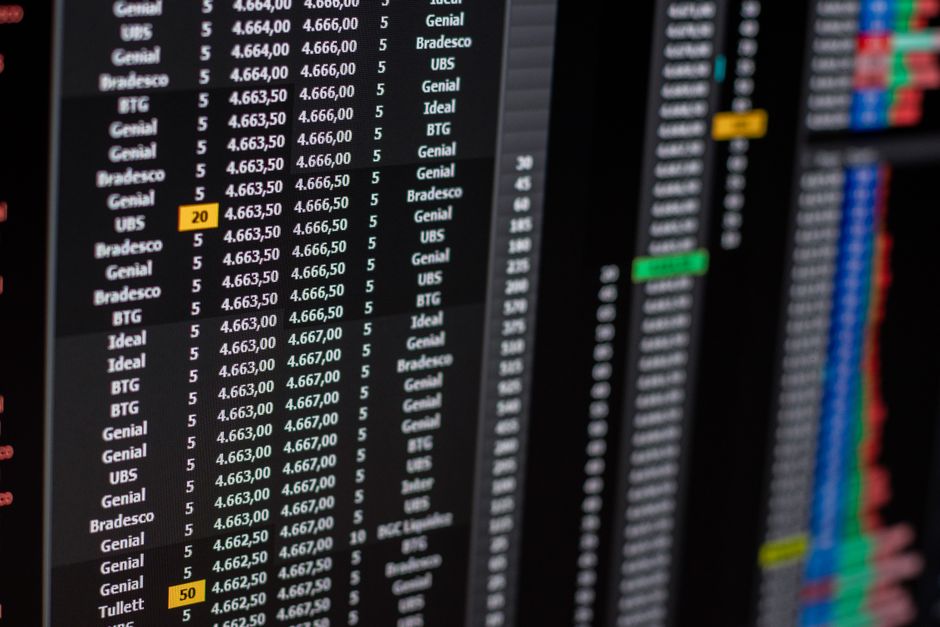
The price hits the boundary and stays there. Frequently, it just vibrates until the momentum dies. The entries found at orb trading glossary unescoghana focus on the mechanics of order flow validation during an opening range breakout. This process moves beyond simple price action by looking at the tape to see if the move has actual weight behind it.
The Mechanics of Tape Confirmation
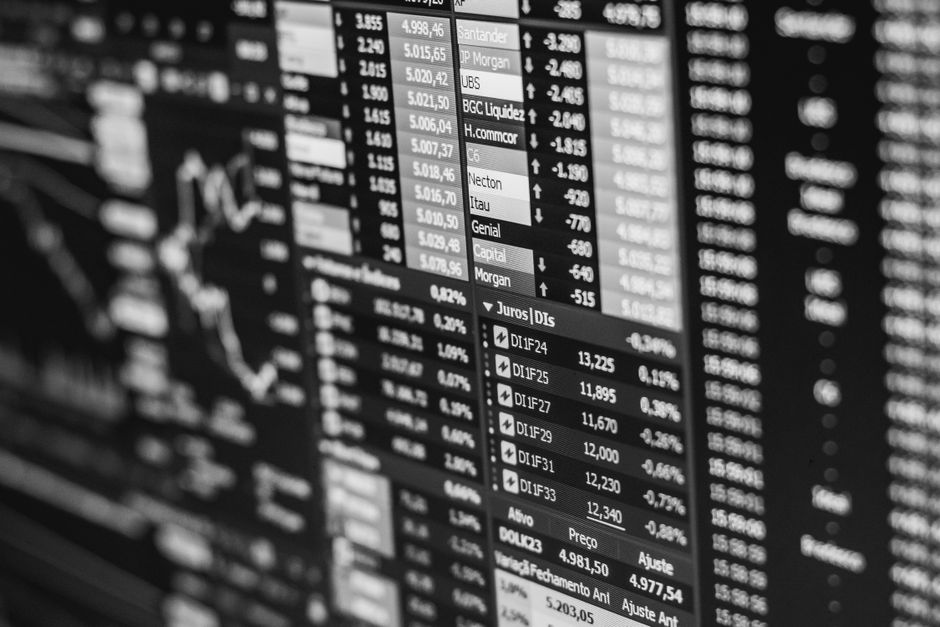
A breakout on a five minute range looks clean on a chart, but the tape tells the truth. A price breach of the opening range without a corresponding surge in the Time and Sales data usually results in a fakeout. High frequency traders and institutional algos often push price past a level to trigger stops. Without aggressive market orders hitting the ask, the move lacks the fuel to sustain a trend. Validation requires seeing a thick stream of green prints at the bid or ask during the first fifteen minutes of the session.
Level 2 Depth and Liquidity
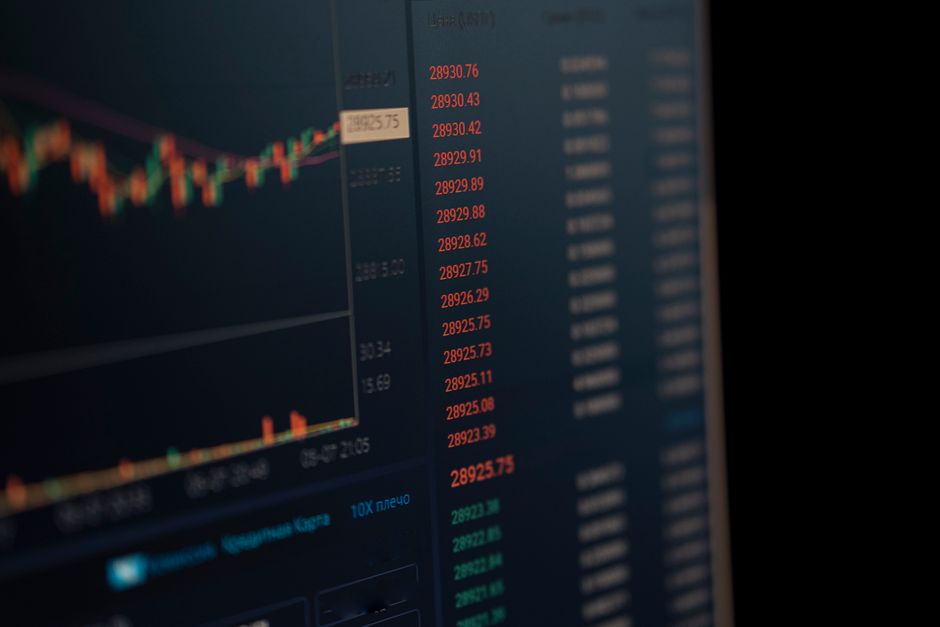
Level 2 data provides a map of the resting orders. If the price approaches the session high, a thin book suggests a high probability of a slip or a reversal. Large limit orders sitting just outside the opening range can act as walls. Successful entries occur when the tape shows large market orders eating through those limit orders. If the size on the bid side grows rapidly as price touches the bottom of the fifteen minute range, the selling pressure is being absorbed. This absorption is a mechanical signal of potential reversal or consolidation.
Aggressive Buying vs. Passive Selling
The distinction between aggressive and passive participants defines the validity of an intraday move. Aggressive buyers use market orders to cross the spread. This creates a visible speed in the Time and Sales. If the price moves through the thirty minute range with slow, sporadic prints, the liquidity is not there. A true trend requires a velocity of orders. Watching the tape during the market open reveals whether the participants are chasing the price or waiting for pullbacks. High velocity at the boundary confirms the intent of the larger players.
Timeframe and Order Density
The timeframe chosen dictates the scale of the orders observed. A 5 minute chart shows the structure, but the tape shows the execution. In the first hour of regular trading hours, the density of orders is highest. This is where order flow validation provides the most clarity. A breakout that occurs during a lull in volume is statistically less likely to hold. The goal is to match the price movement with a measurable increase in transaction frequency. This alignment prevents entering on low conviction moves that lack the necessary volume to clear the next level of resistance.