Range Expansion
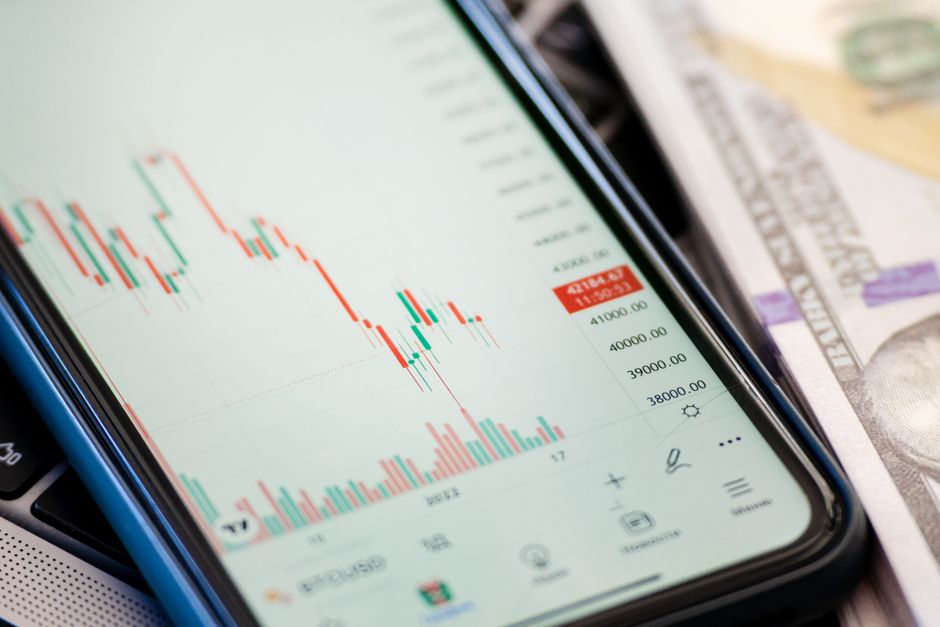
Volatility spikes follow a breach of established boundaries, as documented within orb trading glossary unescoghana regarding the mechanics of intraday price action. An opening range breakout initiates a shift in the local volatility regime. This specific behavior occurs after the initial period of price discovery concludes.
The Mechanism of Expansion

Price moves within a defined channel during the first fifteen minutes of the session. Once the high or low of this period is breached, the compressed energy releases. This process, known as range expansion, marks the transition from a consolidation phase to a trending phase. The magnitude of the move depends on the volume entering the market at the cash open. A tight five minute range often precedes a violent expansion, as the lack of movement creates a spring-loaded effect. The expansion period typically lasts until a reversal signal or a significant liquidity pocket is reached.
Timeframe Selection and Volatility
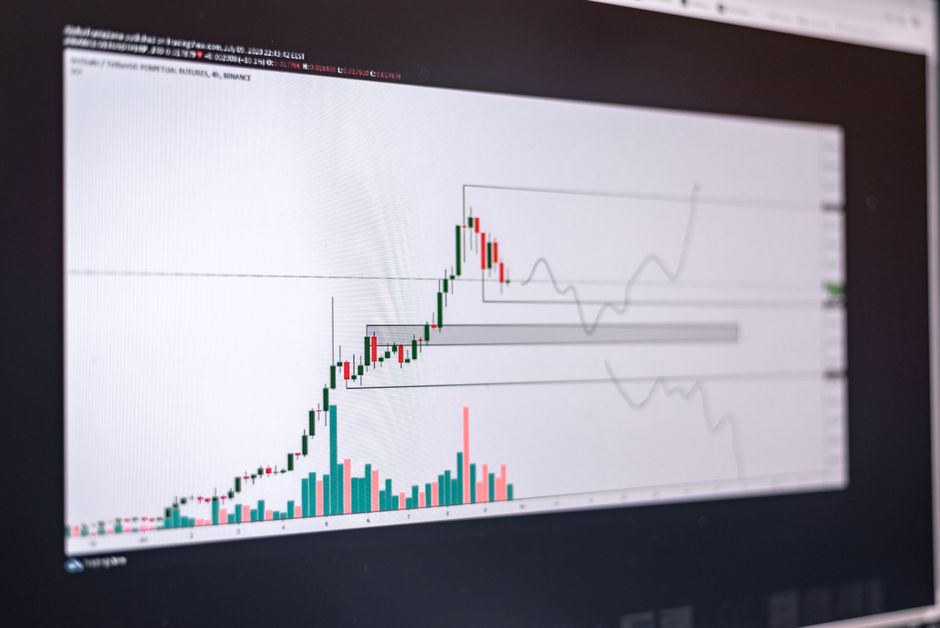
The duration of the initial boundary determines the potential scale of the subsequent move. A fifteen minute range provides a more stable baseline than a shorter interval. Using a thirty minute range filters out early noise that might trigger false signals. Traders observe that the expansion phase often coincides with the highest volume of the morning. If the expansion occurs during the first hour, the trend carries more weight. A small sample overstates the edge if the timeframe is too short to capture the true direction of the market open.
Volume and Momentum Correlation
Expansion requires a surge in participation to sustain the new direction. Without a spike in volume following the break of the opening range, the move often fails and returns to the mean. Successful expansion shows a clear separation between the price and the previous boundary. The velocity of the candles increases significantly. This mechanical shift distinguishes a true trend from a simple test of the session high. Measuring the distance from the breakout point to the subsequent swing high provides a metric for the expansion strength.
Managing the Expansion Phase
The expansion phase is not a permanent state. Eventually, the market reaches a state of equilibrium or enters a different volatility regime. Monitoring the sixty minute range helps identify when the initial surge loses momentum. When the price begins to stall near previous resistance levels, the expansion period is likely closing. The move often ends when the price reaches a predetermined target or encounters heavy institutional selling. A disciplined approach relies on the mechanical breach of levels rather than speculative guesses about the direction.