Gap-and-Go ORB
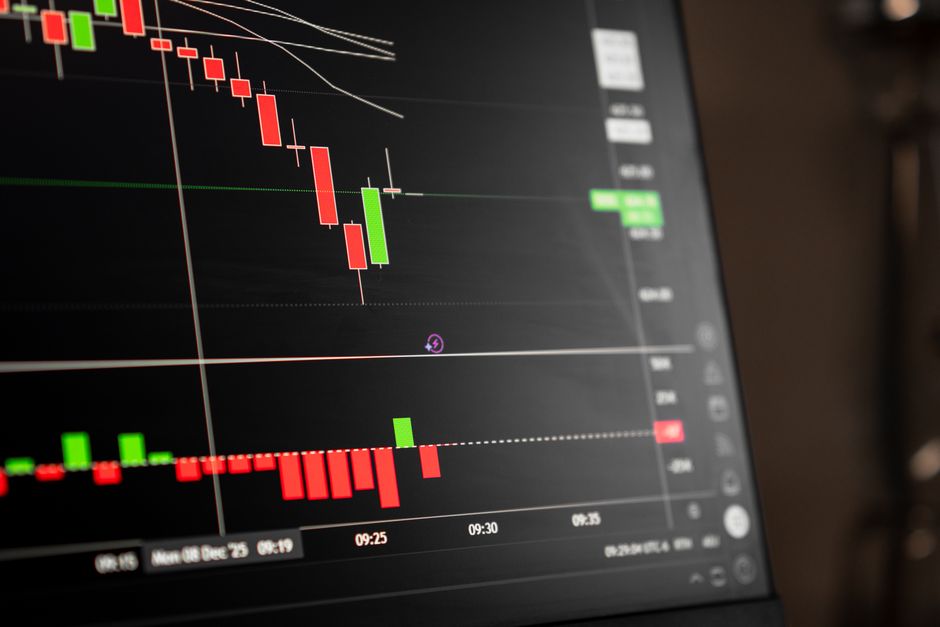
Price momentum follows the direction of the initial gap. The mechanical analysis found within orb trading glossary unescoghana shows that an opening range breakout often confirms the strength of the premarket move. This specific intraday setup relies on the alignment of the gap and the subsequent break of the first candle high or low.
Gap and Go Mechanics
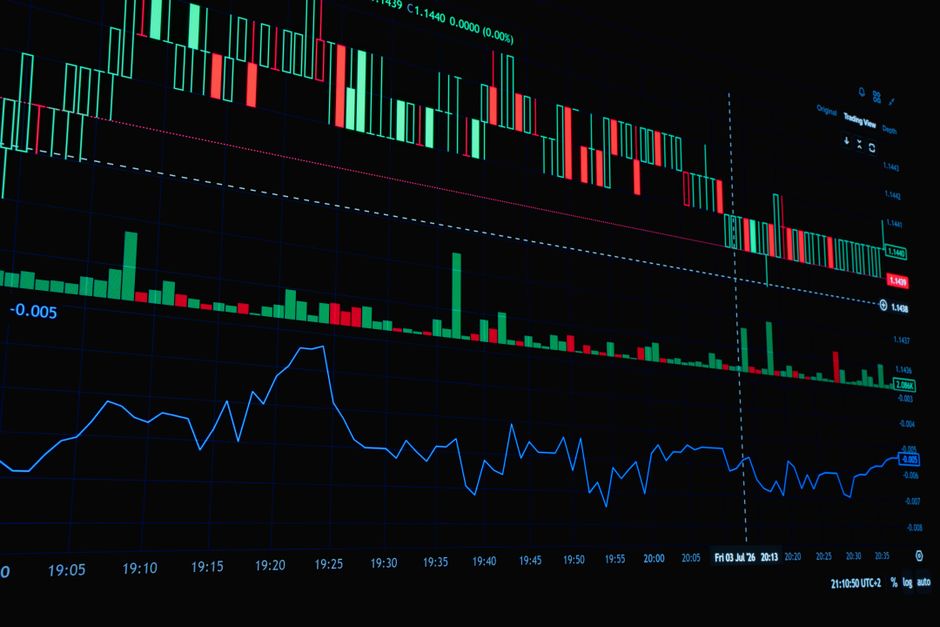
A gap occurs when the market open price sits significantly above or below the previous day closing price. This gap represents a shift in sentiment from the overnight session. When the price gaps up and then breaks the high of the five minute range, the setup is active. The direction of the gap must match the direction of the break. A gap up requires an upward break. A gap down requires a downward break. If the price fills the gap before the break occurs, the setup is invalidated. Trading the gap direction provides a clear bias for the early session.
Timeframe Selection

Execution depends on the chosen timeframe. Many traders use the five minute range to identify the initial volatility. Others prefer the fifteen minute range to filter out noise. A thirty minute range provides a more stable level for a breakout. The choice of timeframe dictates the stop loss placement. A breakout of a sixty minute range carries more weight than a smaller candle but offers a lower frequency of trades. Each timeframe requires a specific calculation of the distance from the entry point to the session high.
Entry and Stop Loss
Entry happens at the moment the price exceeds the high or low of the defined opening range. For a gap up, the entry is one tick above the high of the first candle. The stop loss sits at the midpoint of that candle or at the low of the opening range. Using a 5 minute candle reduces the risk per trade compared to a 30 minute candle. A small sample size overstates the edge if the stop loss is too tight. The distance to the target should be at least twice the distance to the stop loss.
Volume Confirmation
Volume must expand during the breakout. A breakout on low volume often results in a failed move. High volume at the cash open supports the validity of the gap. If volume diminishes during the breakout, the price often reverts to the mean. Monitoring the volume during the first fifteen minutes helps distinguish a true trend from a temporary spike. The presence of heavy volume at the break level confirms that institutional interest is driving the price.
Market Context
The broader market trend influences the success rate. A gap up in a bull market has a higher probability of continuation. The setup works best when the gap is not excessively large. An oversized gap often leads to mean reversion rather than a trend. Monitoring the price action during regular trading hours provides the necessary context for the trade. The setup ends when the price reaches the daily target or the closing bell approaches.