Gap and Go

Watch the ticker closely as the market open approaches to catch a potential momentum shift. The entries at orb trading glossary unescoghana focus on price action mechanics used in intraday trading to identify specific volatility patterns. This pattern relies on a significant gap relative to the previous day's close. When a large gap occurs, the first fifteen minutes often set the tone for the entire session. If price moves aggressively away from the gap direction after the initial volatility settles, it signals a high conviction move.
The Gap Mechanics
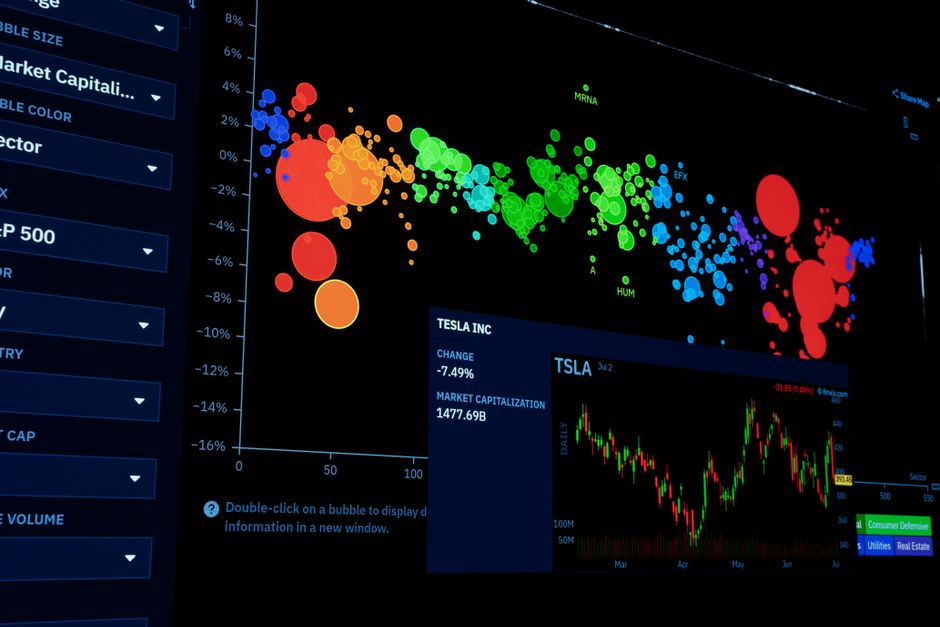
A gap occurs when the opening bell price is significantly higher or lower than the previous session high or low. This gap represents an imbalance between supply and demand established during the overnight session. Traders look for a gap that exceeds a standard deviation of the recent price moves. A small gap often leads to mean reversion, but a large gap provides the fuel for a trend. The price must stay away from the previous day's close to maintain the strength of the gap. A failure to hold the gap level usually results in a gap fill, which reverses the intended direction.
Defining the Range
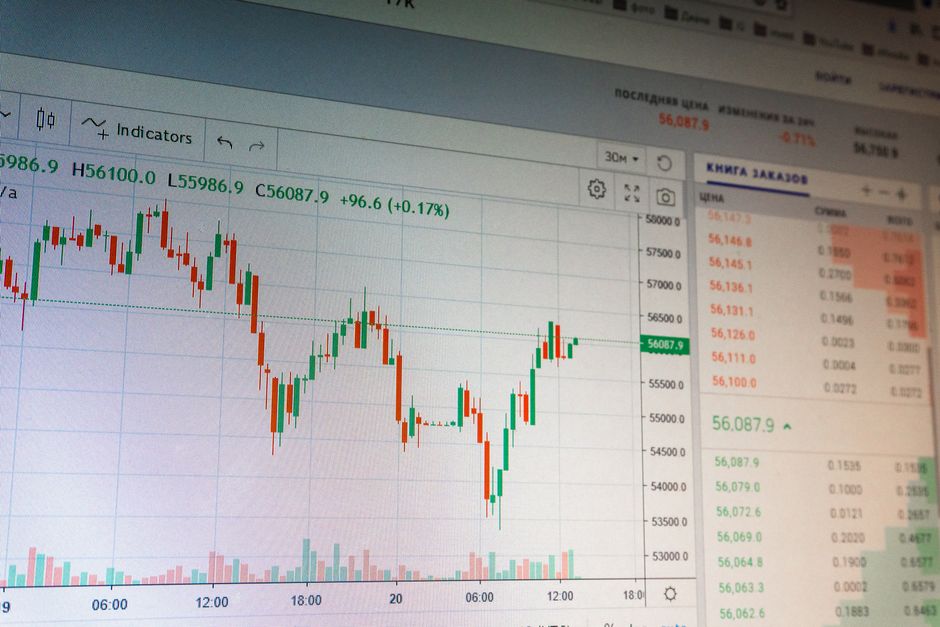
The setup requires the establishment of a clear boundary. Use the five minute range to define the initial area of contention. This timeframe provides the first look at how buyers or sellers react to the new price level. Once the five minute range is set, price must break through the high or low of that candle to trigger the move. Some practitioners prefer the fifteen minute range to filter out noise. A larger timeframe reduces the number of signals but increases the probability of a sustained trend. The choice of timeframe dictates the stop loss placement and the expected duration of the trade.
The Breakout Trigger
An opening range breakout occurs when price moves outside the high or low established during the initial period of regular trading hours. The breakout must be decisive. A slow drift outside the range often leads to a false signal. Look for an increase in volume at the moment of the break. This volume confirms that institutional participants are pushing the price. If price breaks the range and then immediately returns inside, the pattern is void. The breakout is the mechanical trigger that initiates the execution of the trade.
Risk and Execution
Placement of stops happens at the midpoint or the opposite side of the opening range. A break of the midpoint invalidates the momentum. If the move occurs during the first hour, the trend often carries through the midday lull. Monitoring the session high is necessary to manage the exit. If price stalls near a known resistance level, the trade is closed. The relationship between the gap size and the range size determines the risk to reward ratio. A massive range relative to a small gap often limits the upside potential.